Introduction: The Importance of Preventing Plumbing Leaks
Plumbing leaks are more than just a minor inconvenience; they can escalate into costly disasters if not addressed timely. According to the Environmental Protection Agency (EPA), leaks in the average home can waste more than 10,000 gallons of water annually! This staggering statistic emphasizes the need for effective preventative plumbing care.
In this comprehensive guide, we will explore how to prevent plumbing leaks before they become disasters, offering you expert insights and actionable tips. From routine checks to seasonal maintenance and DIY strategies, we’ll cover everything you need to know about maintaining your plumbing system.
How to Prevent Plumbing Leaks Before They Become Disasters
To effectively prevent plumbing leaks, it's essential first to understand the common causes behind them. Regular inspections and routine maintenance can go a long way in mitigating potential issues. Here’s a closer look at how you can take charge of your plumbing system.
Understanding Common Causes of Plumbing Leaks
Aging Pipes
One of the leading causes of plumbing leaks is aging pipes. Over time, pipes corrode and weaken, making them susceptible to leaks.
Improper Installation
Poorly installed fixtures or piping can lead to significant problems down the line.
Tree Roots
Roots from nearby trees can invade underground pipes, causing blockages and ruptures.
Extreme Temperatures
Temperature fluctuations can cause pipes to expand and contract, eventually leading to cracks.
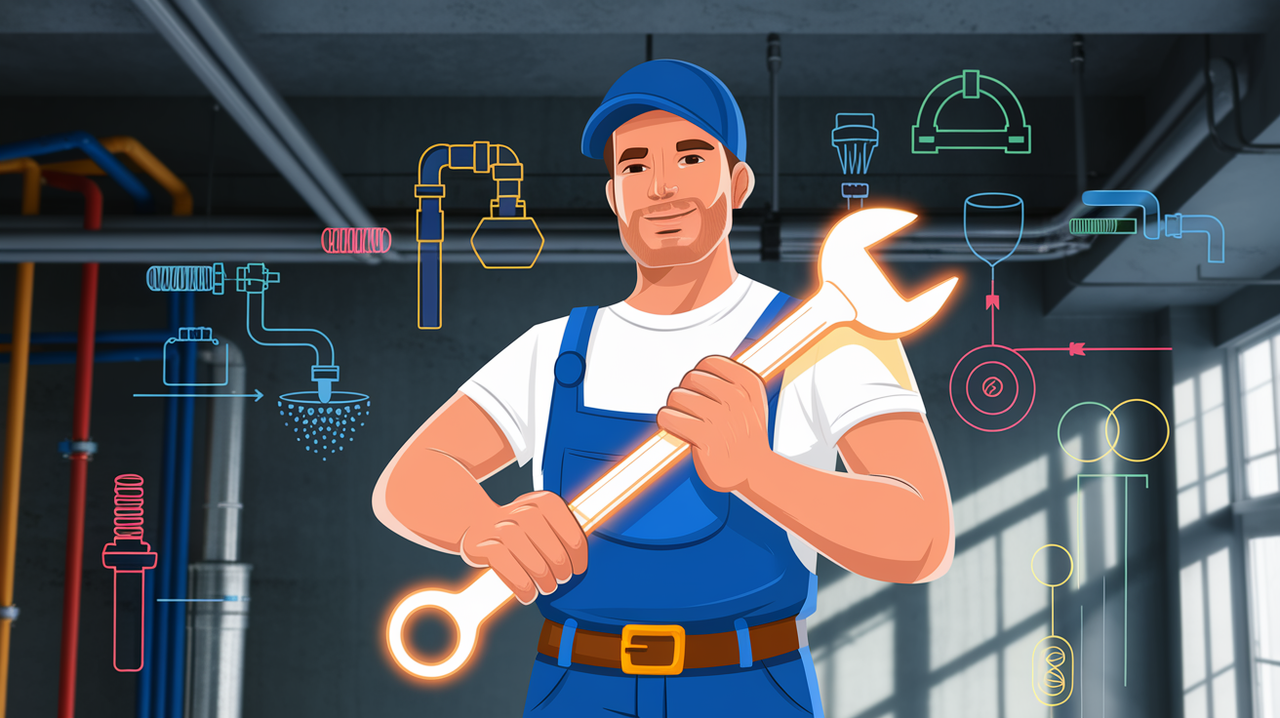
Routine Plumbing Check-Up
Conducting a routine plumbing check-up is essential for identifying potential problems before they escalate. But how often should you inspect your home plumbing? https://www.hhofmeisterplumbing.com/contact Experts recommend an annual inspection by a professional plumber, alongside regular self-checks.
Plumbing Maintenance Tips: Best Practices for Homeowners
1. Regularly Check for Signs of Plumbing Problems
Being proactive is key in preventing larger issues. Here are some signs that your plumbing needs maintenance:
- Unexplained increases in your water bill Water stains on walls or ceilings Mold growth around plumbing fixtures Damp or wet spots on floors
2. Inspect Visible Pipes
Take a moment every few months to visually inspect exposed pipes under sinks and in basements or crawl spaces. Look for signs of corrosion or dampness.
3. Maintain Your Water Heater
Preventing water heater problems begins with regular maintenance. Flush your water heater annually to remove sediment build-up that could lead to pressure issues.
4. Keep Drains Clear: How to Avoid Clogged Drains
Prevent clogs by following these simple guidelines:
- Use drain covers Avoid pouring grease down drains Regularly use a mixture of baking soda and vinegar as a natural cleaner
Extending the Life of Pipes: Effective Strategies
1. Insulate Exposed Pipes
Insulating pipes helps protect against freezing during winter months, significantly reducing the risk of ruptured pipes.
2. Monitor Water Pressure
High water pressure can stress your pipes leading to leaks. What is the best way to maintain water pressure in a house? Using a pressure regulator can help manage this effectively.
Seasonal Plumbing Maintenance: Preparing for Weather Changes
Different seasons bring unique challenges for plumbing systems; thus, seasonal maintenance is crucial.
Winterization Tips: How to Protect Pipes in Winter
Disconnect garden hoses. Insulate outdoor faucets. Let faucets drip during extreme cold spells.Summer Checks: Ensuring Proper Functionality
Ensure that your sump pump is operational before heavy rains set in during summer months.
DIY Plumbing Maintenance: Empowering Homeowners with Knowledge
Not all plumbing problems require professional intervention; learning some basic DIY skills can save you time and money!
1. Flushing Your Plumbing System: A Step-by-Step Guide
Flushing your system involves running water through all faucets while checking for any irregularities or leaks.
2. Removing Mineral Buildup from Showerheads Safely
Soak showerheads in vinegar overnight and scrub with an old toothbrush for thorough cleaning without damaging them.
Emergency Preparedness: What Homeowners Should Do in Case of a Plumbing Emergency?
Preparation is vital when it comes to emergencies:

Always know where your main shut-off valve is located. Keep emergency contact numbers handy. Have basic tools available such as wrenches and pliers near your utility area.
FAQs About Preventing Plumbing Leaks
1. What are the early warning signs of a plumbing leak?
Common warning signs include unexplained wet spots on floors, ongoing damp odors, increased water bills, and visible mold growth around fixtures.
2. How often should I have my drains professionally cleaned?
It’s recommended that homeowners have their drains professionally cleaned every one to two years, depending on usage and local conditions.

3. How do I test my plumbing for hidden leaks?
One effective method includes turning off all taps and checking your water meter after an hour—if it moves while no water is being used, there's likely a leak somewhere in your system.
4. Should I use chemical drain cleaners or avoid them?
Avoid chemical drain cleaners as they often damage pipes over time; opt instead for natural solutions like baking soda and vinegar or call a professional plumber if clogs persist.
5. What should you never put down your drains?
Never put grease, coffee grounds, fibrous vegetables (like celery), eggshells, or anything non-biodegradable down your drains as these can cause serious clogs over time.
6. How do tree roots affect underground pipes?
Tree roots seek moisture sources; once they penetrate underground pipes through small cracks or joints, they can obstruct flow and lead to severe blockages or even pipe breaks over time.
Conclusion: Taking Charge of Your Plumbing System Today!
Preventing plumbing leaks before they become disasters requires diligence but pays off significantly over time in terms of peace of mind and financial savings on repairs. By following the proactive measures outlined above—including routine inspections, understanding common problem signs, executing seasonal checks—homeowners can ensure their systems remain efficient and effective year-round.
By emphasizing preventative care through practical steps like DIY tasks alongside engaging professionals when necessary ensures longevity within your home’s infrastructure—making all that hard work worth it!
With proper attention and care toward maintaining our home’s systems today—we’re less likely needing extensive repairs tomorrow! So roll up those sleeves—your pipes will thank you!
This article has provided insights into how you can effectively prevent plumbing leaks before they become disasters through diligent maintenance practices!